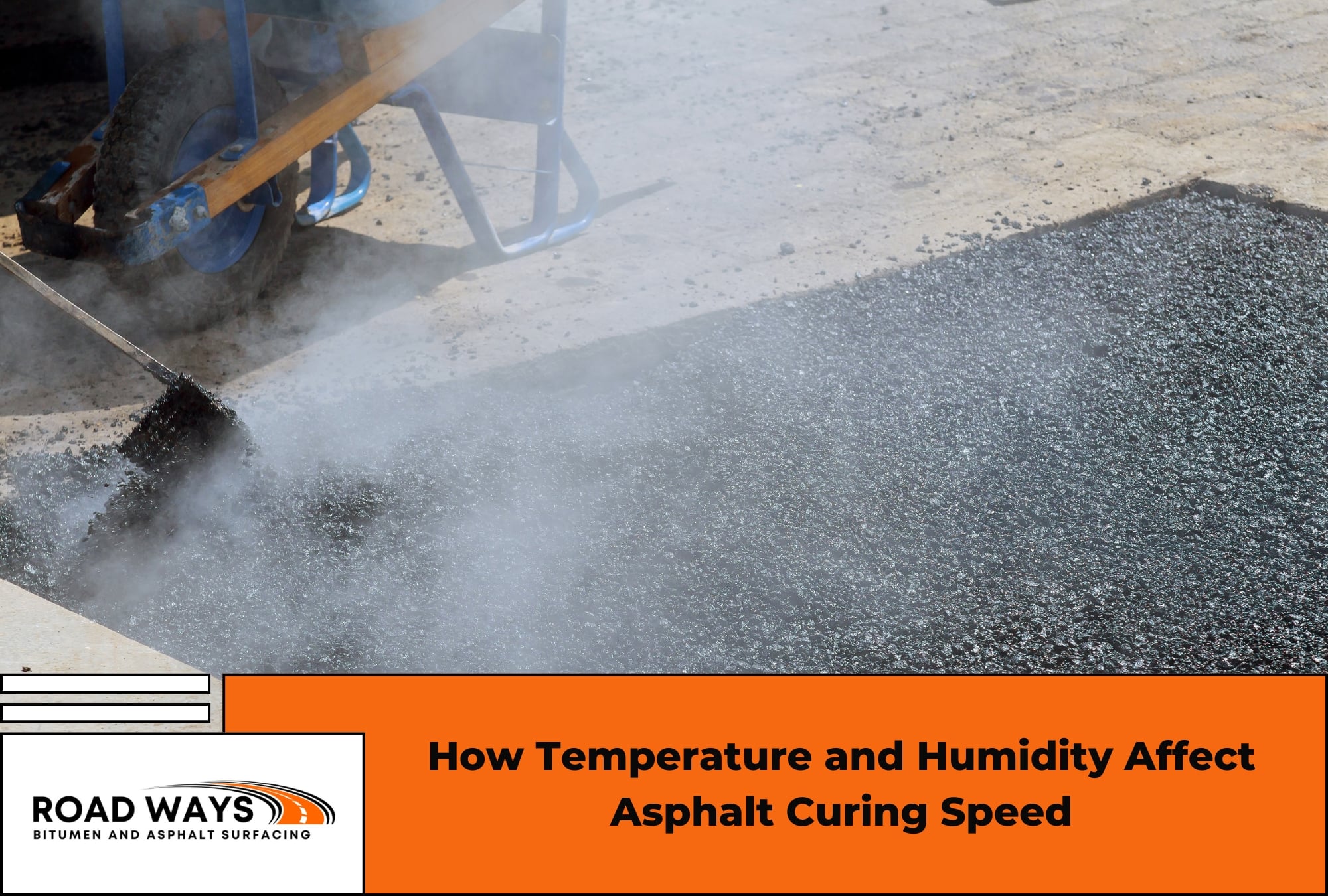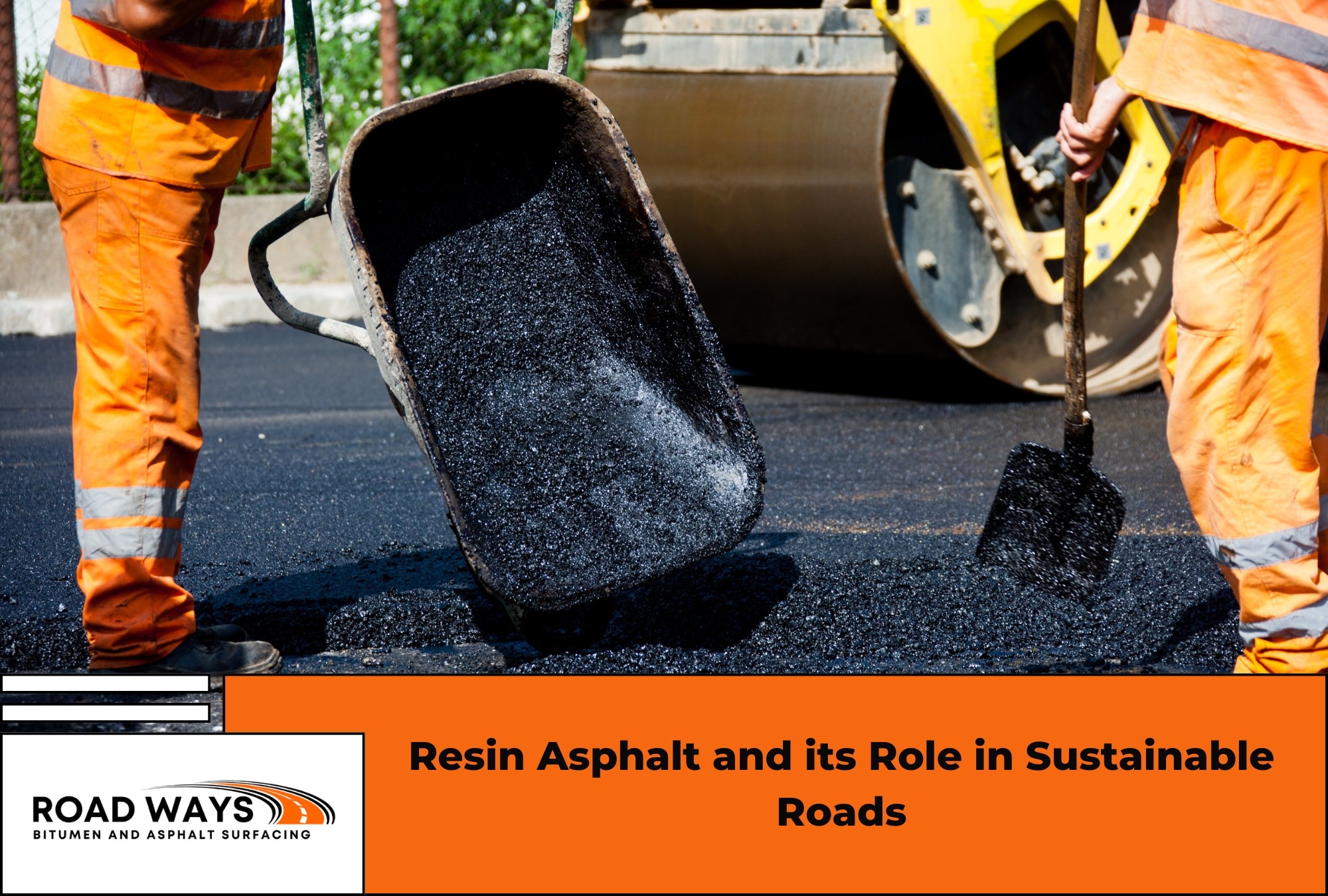
Resin asphalt is a type of modified asphalt that blends aggregates, bitumen and resin to create a stronger, more flexible surface. It performs better than standard asphalt by resisting cracks, deformation and early wear, which helps roads last longer under heavy traffic and heat.
It is also considered an eco-friendly option because it supports sustainability in several ways. Many resin asphalt mixes use recycled materials or require lower production temperatures, which helps cut energy use and carbon emissions. Its longer service life means fewer resurfacing projects, reducing waste and resource consumption over time.
In short, resin asphalt delivers a more durable surface while reducing environmental impact. This balance of performance and sustainability is why councils, developers and contractors across Australia are increasingly using it for modern road construction and upgrades.
What Resin Asphalt is?
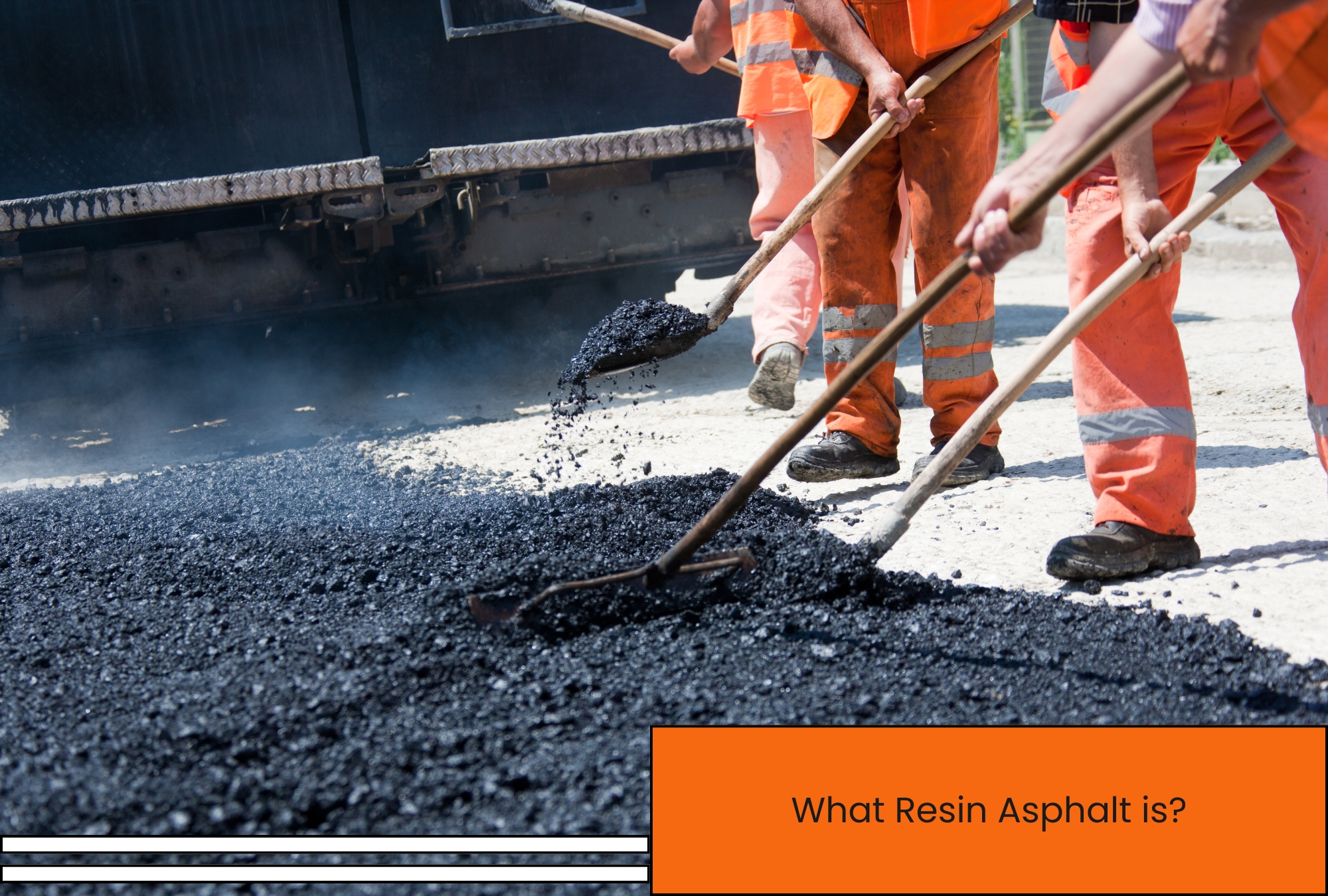
Resin asphalt is made with the same core ingredients as standard asphalt — bitumen and stone — but with one key upgrade: resin. The added resin strengthens the bond between the binder and the aggregate, creating a surface that can flex under pressure instead of cracking.
This adjustment gives roads a smoother finish and helps them stay intact under heavy traffic, braking and turning. The mix distributes stress more evenly across the surface, which reduces rutting and early wear. It performs consistently through heat, cold and long exposure to vehicles that would normally cause damage over time.
Because it keeps its shape and texture for longer, resin asphalt reduces the need for patching or resurfacing, saving time and resources on future maintenance projects. It has become a preferred choice for Australian roads, intersections and industrial areas that demand long service life and reliable strength.
How Resin Asphalt Performs Over Time
Resin asphalt is designed to stay strong and flexible even after years of constant use. Unlike standard asphalt, which can soften in heat or crack in cooler weather, resin asphalt holds its shape across a wide range of temperatures. The resin within the mix keeps the binder and stone tightly connected, which helps the surface resist movement and deformation.
This strength is most noticeable on roads with heavy traffic, sharp turns or frequent braking. Where normal asphalt starts to wear down, resin asphalt maintains a smooth texture and steady grip. Its ability to handle stress without breaking apart makes it ideal for highways, intersections and transport hubs that need dependable performance every day.
Because it lasts longer, resin asphalt also reduces the frequency of resurfacing and repairs. Fewer maintenance cycles mean less downtime, lower costs and reduced environmental impact over time.
Why it’s an Eco-Friendly Choice
Resin asphalt supports sustainability through longer life and lower resource use. Because it lasts longer than standard asphalt, fewer resurfacing projects are needed, which means less raw material, less transport and fewer emissions over time.
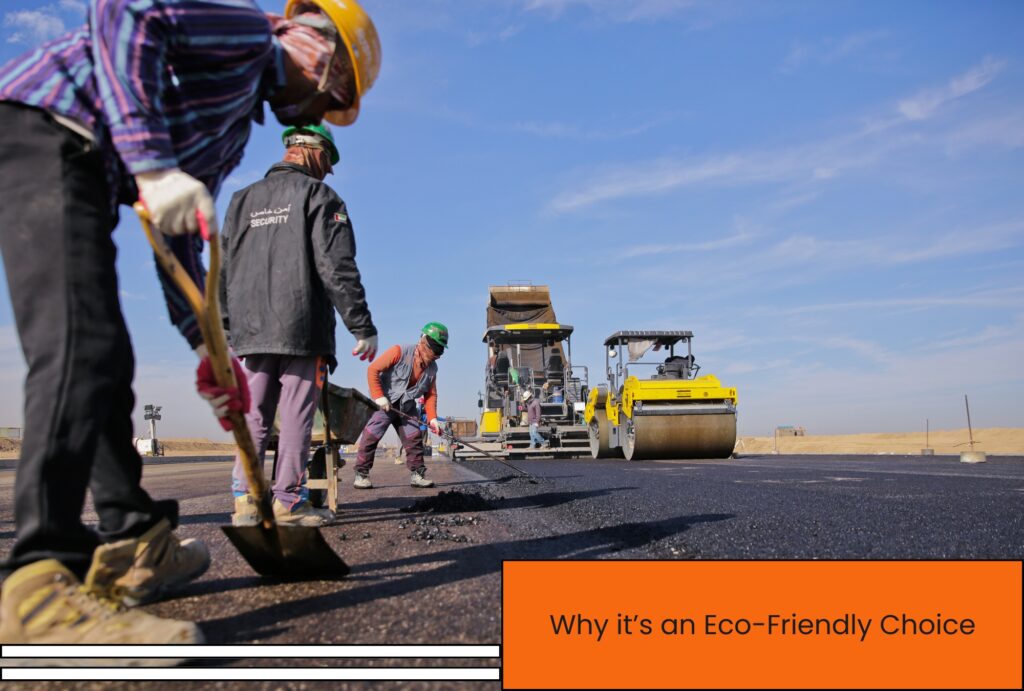
Many modern resin asphalt mixes also use recycled materials such as reclaimed aggregates or recovered bitumen. Some systems allow for lower mixing temperatures, which cuts energy use during production. These improvements make each stage of the process more efficient and reduce the overall carbon footprint of road construction.
The reduced need for maintenance also plays an important role. Every avoided repair means fewer trucks on the road and less machinery use, helping to conserve fuel and limit waste. Resin asphalt shows that durability and environmental care can work together, offering a road surface that performs well and supports long-term sustainability goals.
Where it Works Best
Resin asphalt is used in places that need a strong, flexible surface to handle constant wear. It performs best on roads and areas where heavy traffic, frequent braking or tight turns can quickly damage standard asphalt.
It is often chosen for highways, intersections and main transport routes where smoothness and stability are essential. Industrial estates, freight yards and logistics hubs also benefit from its toughness, as the surface can withstand large vehicles and repeated loading without rutting or cracking.
In urban environments, resin asphalt is a good fit for bus lanes, car parks and driveways that face regular use. Its clean appearance and consistent finish make it practical for both public infrastructure and private developments. With less maintenance needed over time, it helps keep surfaces safe, reliable and visually consistent.
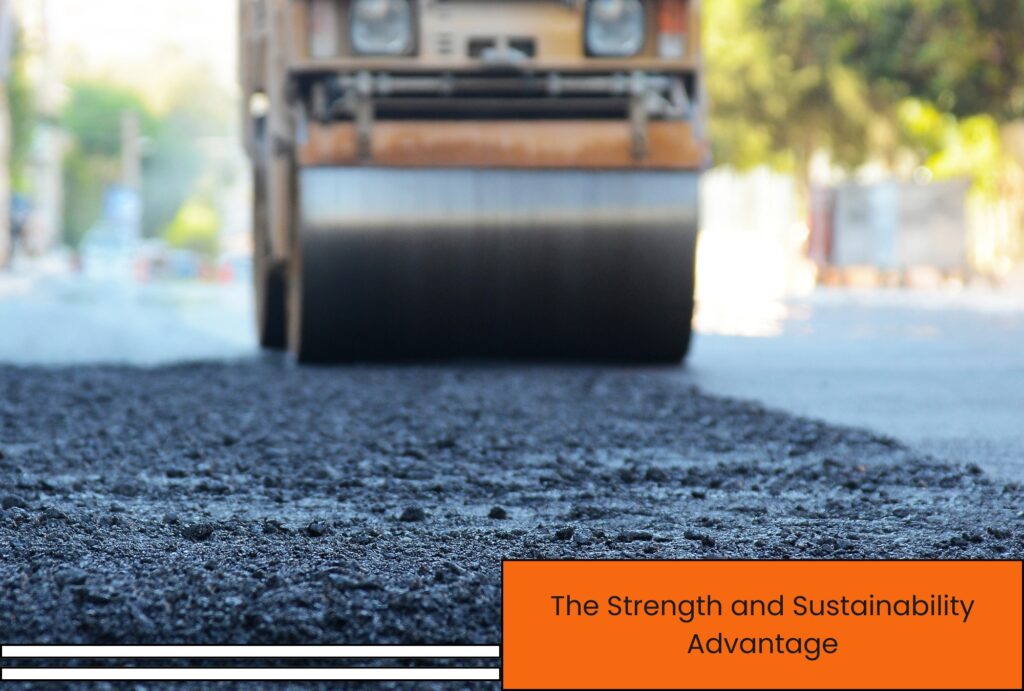
The Strength and Sustainability Advantage
The biggest benefit of resin asphalt is how it balances performance and environmental impact. It is built to handle constant stress from heavy traffic while reducing the need for frequent maintenance. The stronger bond between resin, stone and bitumen helps the surface stay smooth, even after years of use.
Because the material lasts longer, fewer resources are needed over time. Each avoided repair means less equipment use, less fuel and lower emissions. The longer service life also limits waste from resurfacing, which supports sustainability goals for modern infrastructure.
For councils, developers and contractors, resin asphalt offers a practical way to meet durability and environmental targets without compromise. It has become a proven choice for Australian projects that demand both reliability and responsibility.
Choosing Resin Asphalt for Your Next Project
Resin asphalt is more than a durable surface; it is a smart choice for roads and projects that need strength, longevity and environmental care. Its balance of performance and sustainability makes it a dependable option for modern infrastructure across Australia.
At Roadways, we use advanced materials and proven methods to deliver high-quality resin asphalt surfaces for a wide range of applications. Contact us to discuss your next project and find out how resin asphalt can meet your durability and sustainability goals.
Frequently Asked Questions
How long does resin asphalt last?
Resin asphalt can last up to 20 years or more when installed and maintained properly. The exact lifespan depends on traffic levels, weather and overall surface management. Its flexible structure helps it stay smooth and durable for longer than standard asphalt.
Is resin asphalt suitable for residential driveways?
Yes. Resin asphalt is a good choice for driveways that need a clean finish and strong surface. It stands up well to vehicle use and changing temperatures, keeping its appearance and texture over time.
Does resin asphalt cost more than traditional asphalt?
The initial cost can be slightly higher, but the reduced maintenance and longer life usually make it more cost-effective overall. Lower repair frequency also saves time and reduces disruptions.
Can resin asphalt be recycled?
Many modern mixes use recycled materials, and in some cases, old resin asphalt surfaces can be reused during upgrades. This adds to its environmental benefits and helps reduce waste.
Where can resin asphalt be used?
Resin asphalt is versatile. It suits highways, intersections, industrial areas, car parks and driveways that experience frequent or heavy use. It performs well in both public and private projects across Australia.