
New builds & repairs
Driveway construction in South East Queensland
Whether you are building a new home or replacing a tired old driveway, we construct driveways from the base up, and repair the ones worth saving. A driveway you use every day is worth getting right.
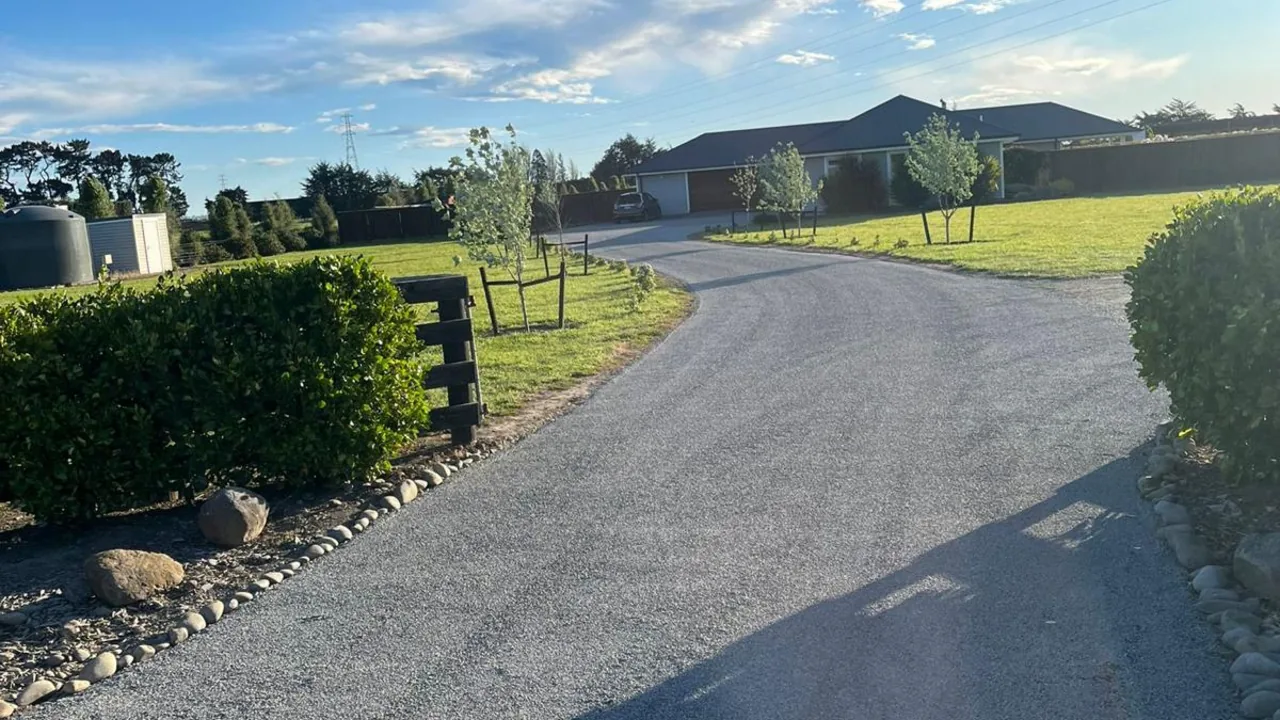
Building a driveway properly
A good driveway is mostly the part you never see. Get the ground work and drainage right and the surface on top does its job for years. Skip it and no finish will save the job. That is why we treat construction as a sequence, not a single pour, and we do not cut the steps that matter.
- Site preparation. We assess the ground, set out the job, excavate as needed and build a compacted base that will actually carry the load.
- Material choice. We talk you through asphalt, a bitumen seal or a combination, and recommend what suits your site, your traffic and your budget, not what is easiest for us.
- The build. We shape the fall, set the drainage, then lay and compact the surface to a clean, even finish.
- Finishing touches. Tidy edges, sealing where it helps, and a clean site handed back the way you would want it.
Repairs
Fixing what is worth saving
Pothole repairs
Potholes are a hazard and they only get bigger. We cut them back, fill and seal so the surface is smooth and safe again.
Cracked areas
Cracks let water into the base, which is where real damage starts. We repair them early to stop a small problem becoming a rebuild.
Puddling and drainage
Water that sits on a driveway undermines it and makes it slippery. We fix the levels and drainage so it runs off instead.
Repair or replace?
Not every driveway needs replacing. Sometimes a repair and a reseal buys you years; sometimes the base has gone and patching is throwing good money after bad. We will give you the honest version after we have looked at it, so you can decide with the full picture. If a new surface is the call, an asphalt driveway or a bitumen seal are the usual options, and we will tell you which suits.
Where we build driveways
We construct and repair driveways for homes and businesses across South East Queensland, including Brisbane, the Gold Coast, the Sunshine Coast, Ipswich and Toowoomba. Every quote is fixed and in writing, with no hidden extras.
On the job
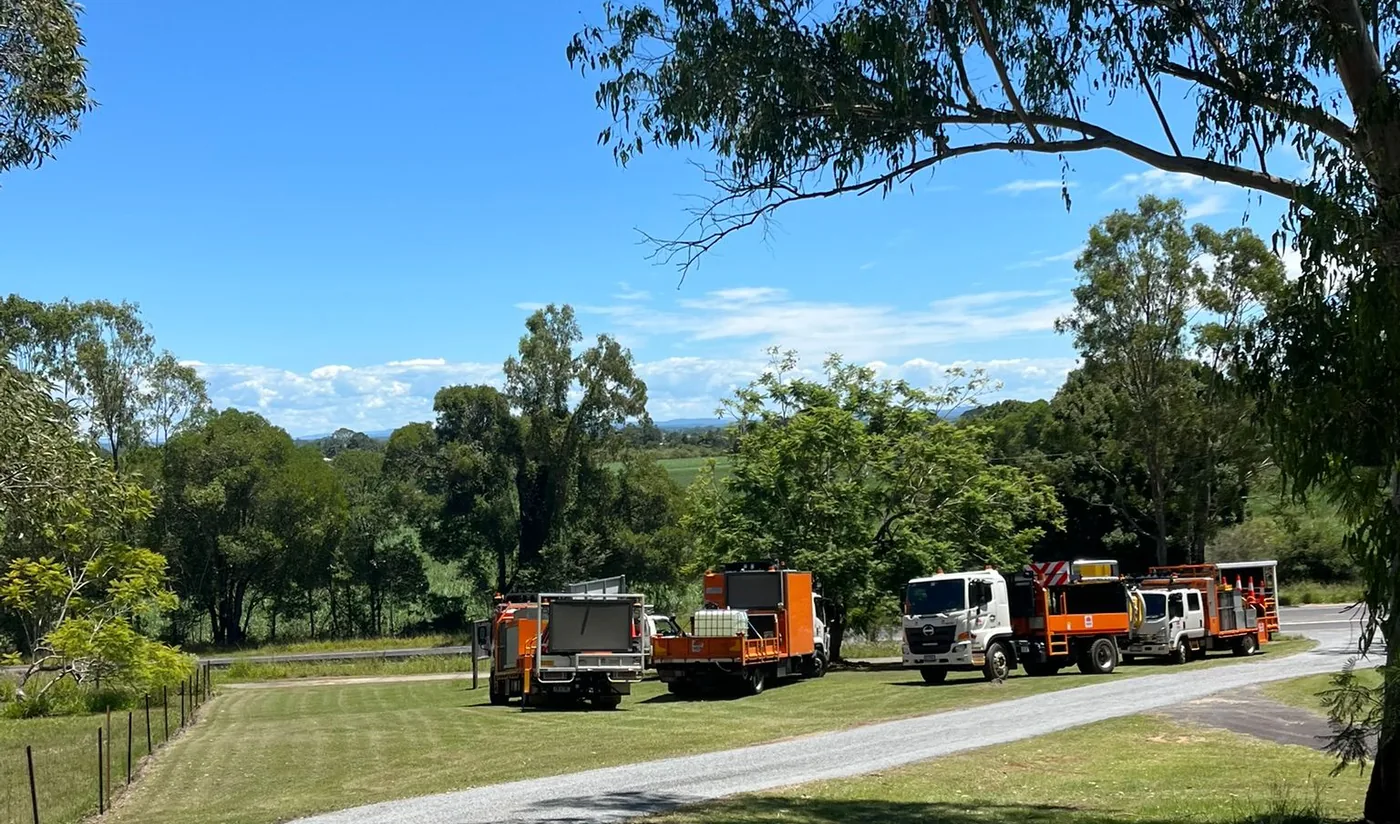
Built from the base up
Driveway construction is groundwork first: excavate, lay and compact the road base, set the fall for drainage, then surface. Get the base right and the surface looks after itself.
Common questions
Driveway construction questions, answered
How long does it take to build a new driveway?
It depends on the size, the access and the state of the ground. A standard residential driveway is often a few days once the base is ready; a bigger or trickier site takes longer. We give you a realistic timeline in the written quote so you can plan around it.
Can you build over my old driveway, or does it need removing?
Sometimes we can build over a base that is still sound, and sometimes the old surface and base need to come out first. We check what is underneath before we decide, so you are not paying to build on top of a base that has already failed.
Which surface is best for a new driveway?
It depends on the site, the traffic and your budget. Asphalt suits most suburban drives, and a bitumen spray seal is cost-effective over longer rural drives. We talk you through the trade-offs rather than default to one.
Do you sort out the drainage as well?
Yes. Drainage is part of building a driveway properly, not an extra. We set the fall so water runs off, and add drainage where the site needs it, because water sitting on or under a driveway is what wrecks it from below.
Repair or replace, how do I know which I need?
We look at the base. If it is still sound, a repair and a reseal can buy you years. If the base has gone, patching just hides the problem for a while. We give you the honest call after a proper look, so you decide with the full picture.
Do I need council approval for a new driveway?
The driveway inside your property usually does not, but the crossover between your boundary and the road often does, and the rules vary by council. It is worth checking with your local council first, and we can point you in the right direction for your area.