
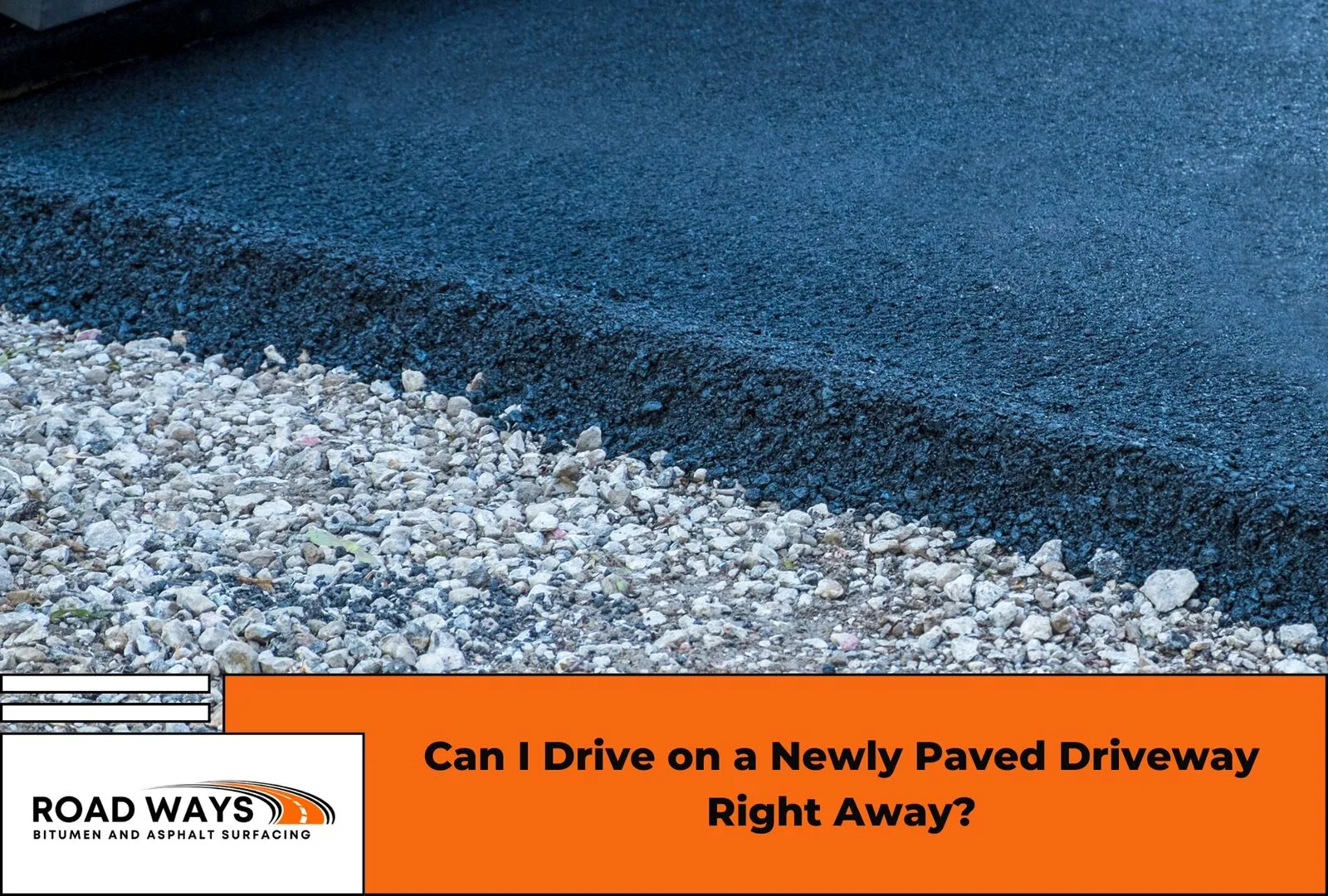
Can I Drive on a Newly Paved Driveway Right Away?

Table of Contents

can i drive on a newly paved driveway right away

A new driveway often looks ready for use as soon as the paving crew leaves. The surface appears smooth and solid, which makes it tempting to park or drive on it right away. However, using the driveway too soon can create problems that shorten its life.

Fresh asphalt is still hot and soft, even though it looks complete. The surface needs time to cool and cure so it can support the weight of vehicles without damage. If traffic is allowed on the surface too early, tyre marks, dents, and weak spots may develop. These issues can lead to cracks and ongoing maintenance problems later on.

To help property owners avoid these issues, this guide explains how long to wait before using a new driveway, what factors affect curing, and the best practices for keeping the surface in good condition during the early stages.

Why Driving Too Soon Damages Asphalt

Although asphalt looks finished when rolled, it is still undergoing a settling process. The top layer cools first, but the lower layers hold heat for longer and remain soft. This means the driveway is more vulnerable than it appears.

If a car parks or turns sharply on fresh asphalt, the tyres can push into the surface, leaving permanent marks. Stationary vehicles may create depressions that weaken the structure underneath. These problems reduce the strength of the pavement and can shorten its lifespan significantly.

Waiting the right amount of time allows the surface to harden evenly, ensuring that the driveway can withstand daily use without early cracking or sagging. For this reason, patience is one of the most effective ways to protect a new driveway investment.

cooling and curing timeframes

Cooling and Curing Timeframes

Preparing an asphalt driveway for safe use involves two important stages. The first is the cooling period, which allows the surface to harden enough for light use. The second is the curing stage, where the asphalt continues to strengthen over several months. Understanding both stages helps prevent early damage and ensures the driveway lasts longer.

StageTypical TimeframeKey Notes
Cooling period48 to 72 hours in most conditionsCooler weather may shorten this to 24 to 48 hours. Hot weather often requires extra time. Vehicles should stay off completely.
Curing stageUp to 6 monthsThe driveway remains flexible and can show marks. Avoid heavy loads, rotate parking spots, and keep movements gentle.

During the cooling period, it is best to avoid any vehicle use. Even after the first few days, the curing stage requires careful management. This means no repeated parking in the same spot and no sharp turns while stationary. These small adjustments reduce the chance of ruts or soft spots forming.

Safe Use for Foot Traffic and Light Items

Walking across a new driveway is generally safe within 24 hours, as long as the surface has cooled and dried. Everyday activities such as bringing in bins, pushing a pram, or riding a bike across it are usually fine after the first day.

Care is needed, however, when moving items with sharp wheels or edges. These can cut into the surface before it has gained strength. Heavy dragging, such as moving furniture or garden equipment, should also be avoided during the first week.

While the driveway is curing, property owners should monitor it daily for soft patches or scuff marks. Early attention to small issues prevents them from turning into bigger problems over time.

How Weather Conditions Affect Asphalt

Climate plays an important role in how long asphalt takes to cure. Heat keeps the surface soft for longer, and direct sunlight intensifies this effect. In summer, property owners should wait longer before driving on the surface and avoid heavy use for at least the first month.

how weather conditions affect asphalt

Cooler weather allows asphalt to harden faster, but care is still required during the curing period. Moisture and rain can slow the process slightly, but generally do not cause problems once the surface has been compacted and rolled.

Signs that a driveway may need extra curing time include tyre imprints, oily patches, or areas where the surface feels soft underfoot. Monitoring these changes helps determine when the driveway is truly ready for normal use.

Best Practices for Protecting a Driveway

Simple care steps can extend the life of a new driveway. Avoid parking in the same place for the first week and move vehicles slightly every few days. When stopping, avoid turning the wheels while the vehicle is stationary, as this can twist the surface.

For trailers or heavy equipment, place timber boards under jacks or wheels to spread the weight. Keep edges protected, especially where the asphalt meets soil or gravel, as these areas are more prone to crumbling.

Postpone pressure washing or applying sealant for at least six months. Early sealing can trap oils, preventing the surface from hardening fully. By following these steps, property owners can make sure their driveway cures evenly and remains strong.

Rain and Drainage Considerations

Rain soon after paving is not usually a problem if the asphalt has already been compacted. The material is designed to handle water and will shed it once cured. The real issue occurs if heavy rain falls during the laying process, which can interfere with bonding and create weak points.

Once the surface is fully cured, water should run off naturally. Pooling water, however, may indicate poor drainage or uneven settling. In these cases, professional advice may be needed to adjust the slope or add drainage solutions. Early correction prevents further issues, such as potholes or erosion around the driveway edges.

When to Apply a Sealcoat

Sealcoating protects asphalt from moisture, sunlight, and daily wear. It also restores the deep black finish of a new driveway. However, applying it too early can prevent the asphalt from hardening fully, reducing long-term durability.

The best time to apply sealcoat is between six and twelve months after paving. By this stage, the surface has cured completely and is ready for an added protective layer. Applying sealant within this window strengthens the driveway against weather and traffic, while keeping it looking clean and well maintained.

Getting the Right Support for Your Driveway

Caring for a new driveway requires patience, observation, and careful use. By delaying heavy traffic, protecting edges, and sealing at the right time, property owners can extend the surface life and reduce repair costs.

Roadways has experience with paving, maintenance, and sealing projects across Australia. Whether you need advice on driveway care or want to plan a new project, our team can provide practical guidance. Contact Roadways today to arrange an inspection or request a quote.

Frequently Asked Questions

How soon can I walk on a newly paved driveway?

Most people can safely walk on asphalt after about 24 hours. The surface cools much faster for foot traffic than for vehicles. Light items like bins or bikes can also be rolled across after a day, provided sharp or heavy objects are avoided.

Can I park a caravan or trailer on fresh asphalt?

It’s best to avoid parking heavy vehicles or equipment during the first few weeks. The weight can leave depressions while the asphalt is still curing. If it’s unavoidable, place wooden boards under the wheels or stands to spread the load.

Does sunlight affect how long asphalt takes to cure?

Yes. Direct sunlight and high temperatures keep the bitumen soft for longer, meaning more time is needed before heavy use. Shaded driveways or cooler seasons generally allow for quicker curing.

When should a new driveway be sealed for protection?

Sealcoating should only be done once the asphalt has fully cured, usually between six and twelve months after installation. Applying it too soon can lock in oils and weaken the surface.

What should I do if water pools on my new driveway?

Pooling water after rainfall may point to drainage issues. While light puddling is common in the early days, long-term standing water can cause surface wear. In such cases, it’s best to have the slope or drainage reviewed by a professional.

Table of Contents

Share this post: