2-coat seals need scheduled inspections, crack sealing, resealing every ten to fifteen years, and consistent drainage maintenance to remain in good condition. Clearing drains and trimming vegetation also stops water from damaging the pavement.
Sunlight, moisture and traffic slowly wear down sealed surfaces. Cracks, polished areas or binder showing through indicate the surface is weakening.
If these signs are ignored, water seeps into the base layers, causing potholes and edge failure. The longer damage is left untreated, the more expensive repairs become.
Inspections, early repairs and surface resealing help preserve road strength and skid resistance. A clear maintenance plan keeps 2-coat seals reliable and safe for long-term use.
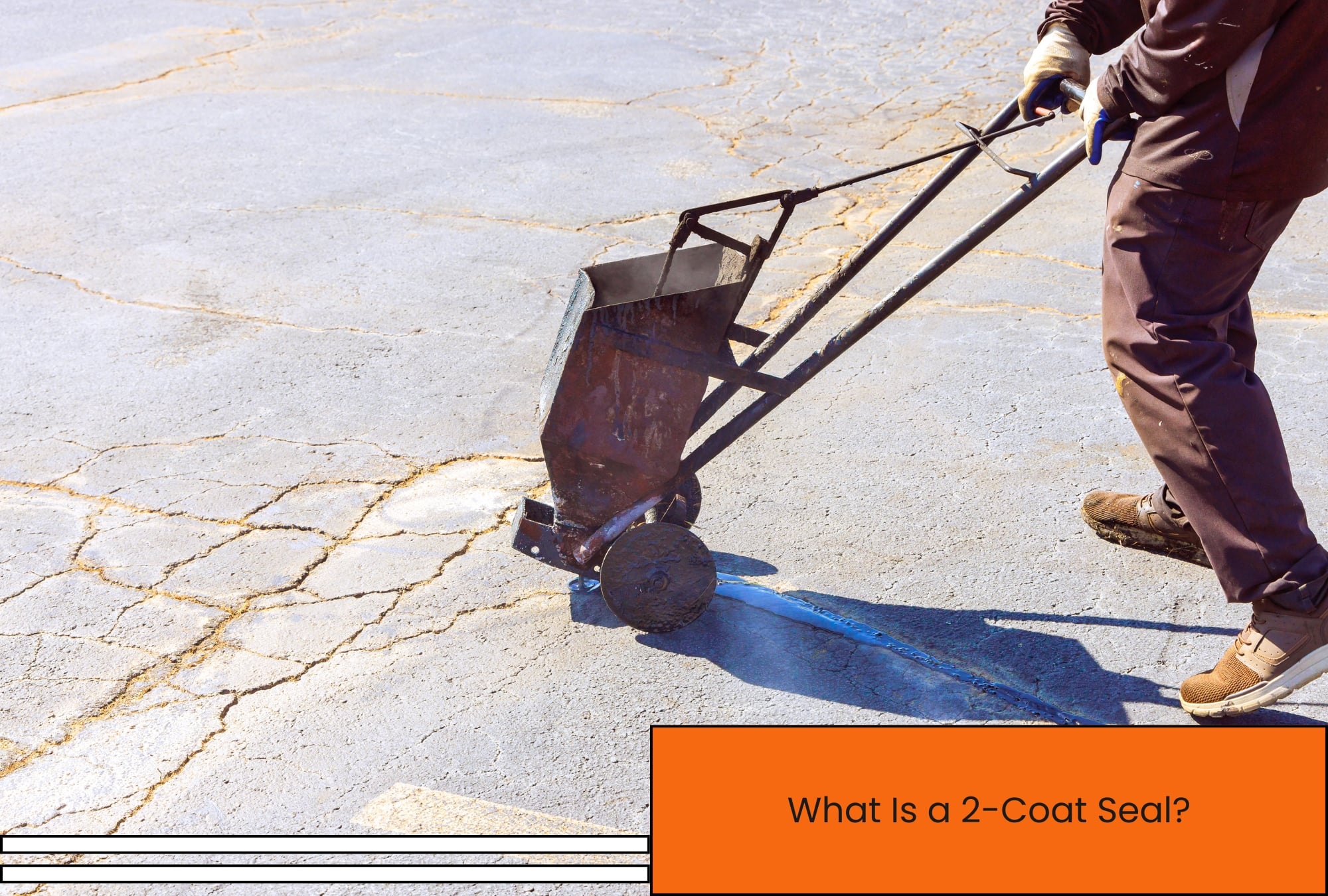
What Is a 2-Coat Seal?
A 2-coat seal is a bituminous road treatment that combines two layers of binder and aggregate. The first layer seals the pavement and strengthens the surface, while the second adds texture and improves skid resistance. Together, they form a durable and water-resistant coating suitable for Australia’s varied climates.
This treatment is often chosen for rural and regional roads because it offers long-term performance at a practical cost. The dual-layer structure helps protect against water ingress, surface stripping and traffic wear, which are common issues on high-use roads.
A 2-coat seal can also be applied on driveways and smaller access roads that need a tough yet economical surface. When maintained properly, it provides a smooth finish and dependable performance over many years.
Scheduled Inspections Keep Surfaces in Shape
Inspections every six to twelve months help detect small issues before they become major repairs. Cracks, binder exposure, or loose aggregate show early wear that needs attention.
Inspecting after heavy rain or dry weather highlights weak spots. Dry periods can make the binder brittle, while standing water exposes drainage problems. Identifying these signs early reduces the risk of structural failure and surface stripping.
For local councils or property owners, keeping a simple inspection schedule is one of the most effective ways to maintain seal performance. Even minor repairs made on time prevent larger issues such as potholes or loss of skid resistance.
Consistent checks cost less than large-scale resurfacing and extend the life of the pavement. A brief inspection with basic equipment is often enough to spot early deterioration.
Re-Sealing and Surface Refreshing
A well-laid 2-coat seal generally lasts ten to fifteen years, depending on usage and weather. Over time, the top layer can lose texture as aggregate embeds into the binder, creating a smooth surface that reduces skid resistance.
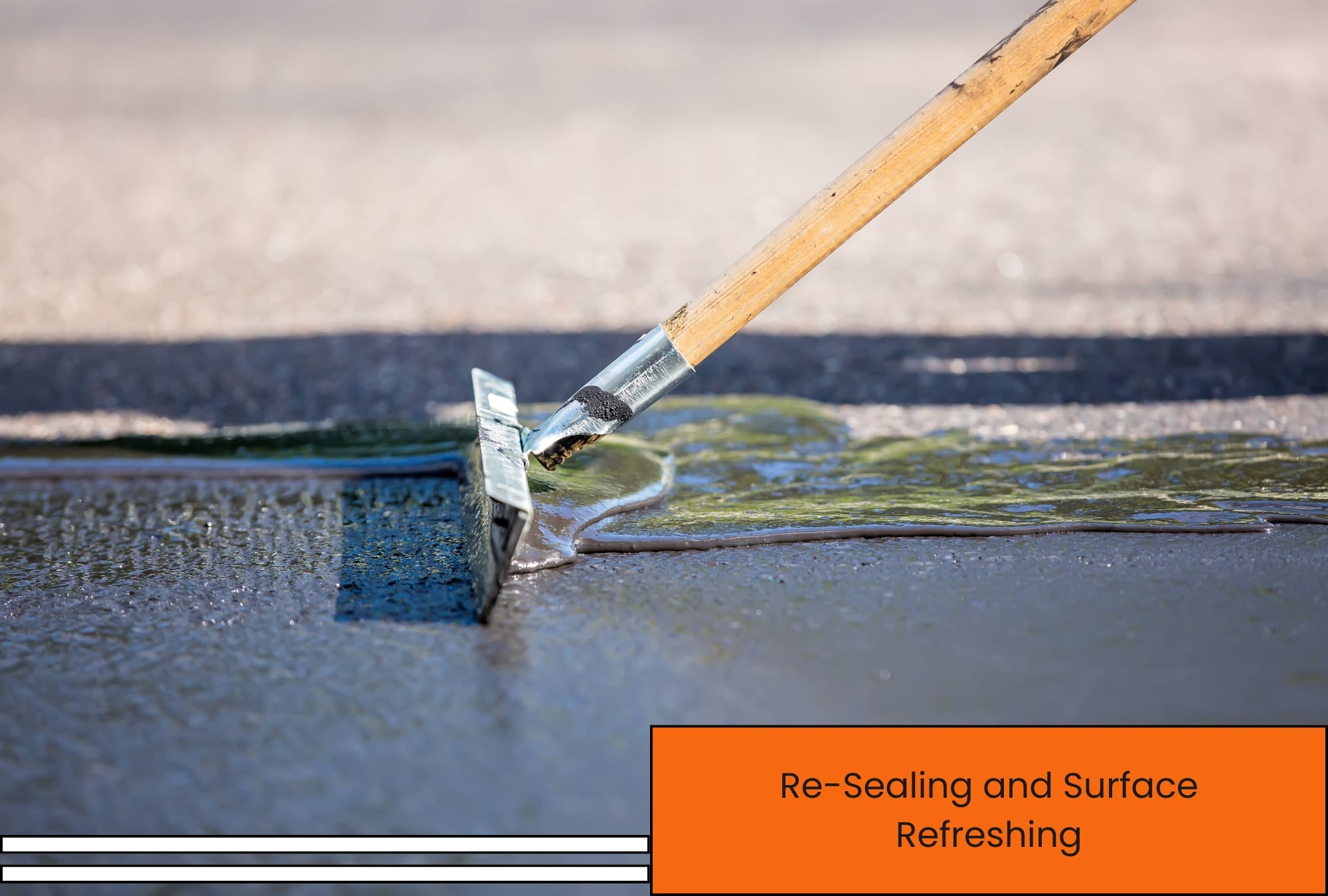
When this happens, applying a new layer of binder and fine aggregate restores surface grip and protection. In some cases, a light reseal is all that’s needed to renew the surface and prevent further wear.
The timing of resealing depends on road conditions and traffic levels. Regular observation helps determine when the surface is losing texture or showing signs of binder exposure. Acting early avoids more extensive work later and keeps the pavement safe for longer.
Repairing Cracks and Edge Wear
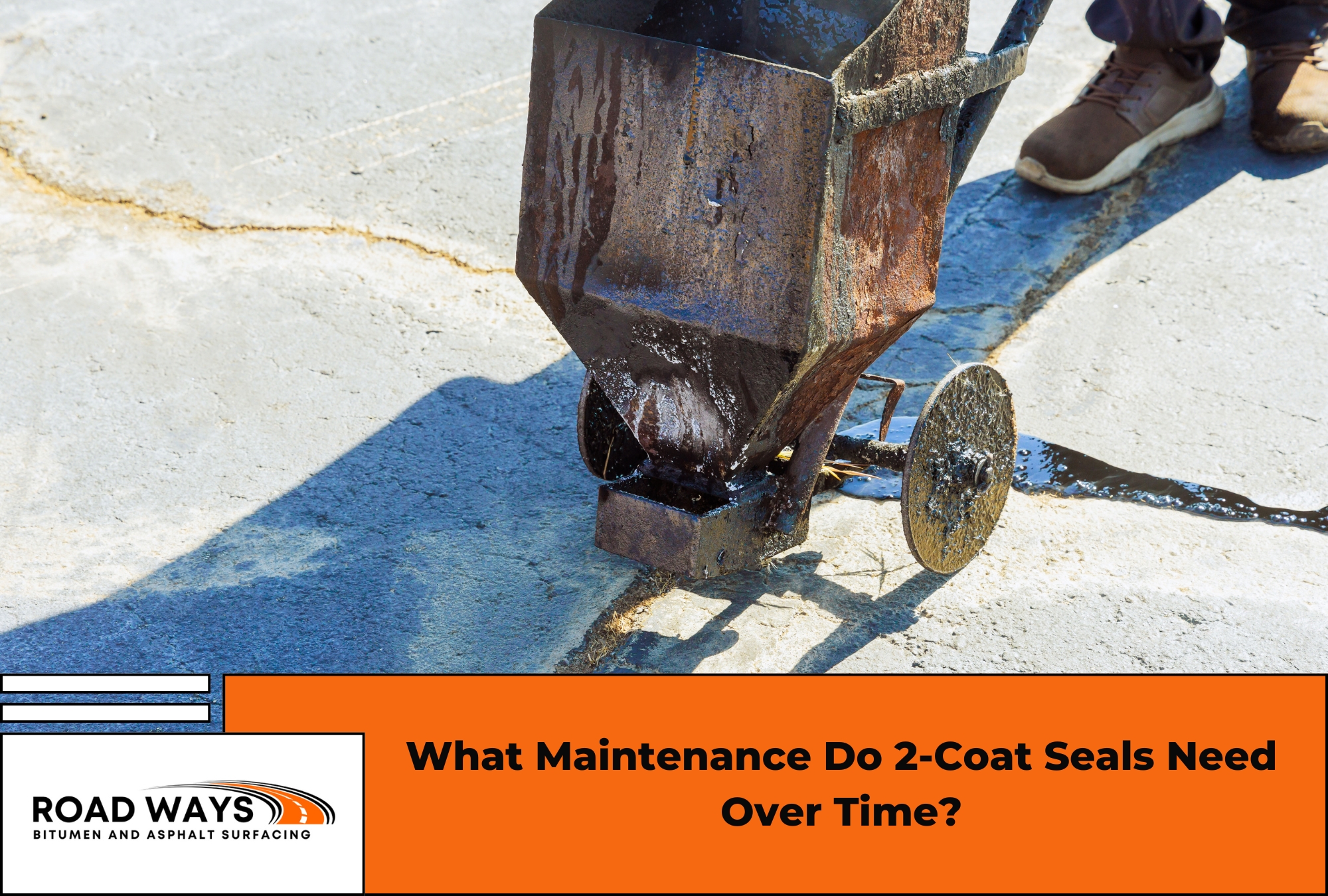
Cracks appear as a 2-coat seal ages or faces high traffic. Sealing small cracks early prevents water from entering the pavement layers and forming potholes. Bitumen crack filler or patching compound is often enough to restore the surface and stop further damage.
Edge wear is another concern, especially on narrow country roads. Vehicles running close to the shoulder can cause the edges to break away, leaving weak spots that expand with time. Strengthening shoulders and applying edge patches when cracks first appear prevents structural failures.
Monitoring the edges and repairing minor damage as soon as it’s visible helps keep the pavement strong. Small actions at the right time cost far less than large-scale reconstruction later.
Managing Drainage and Vegetation
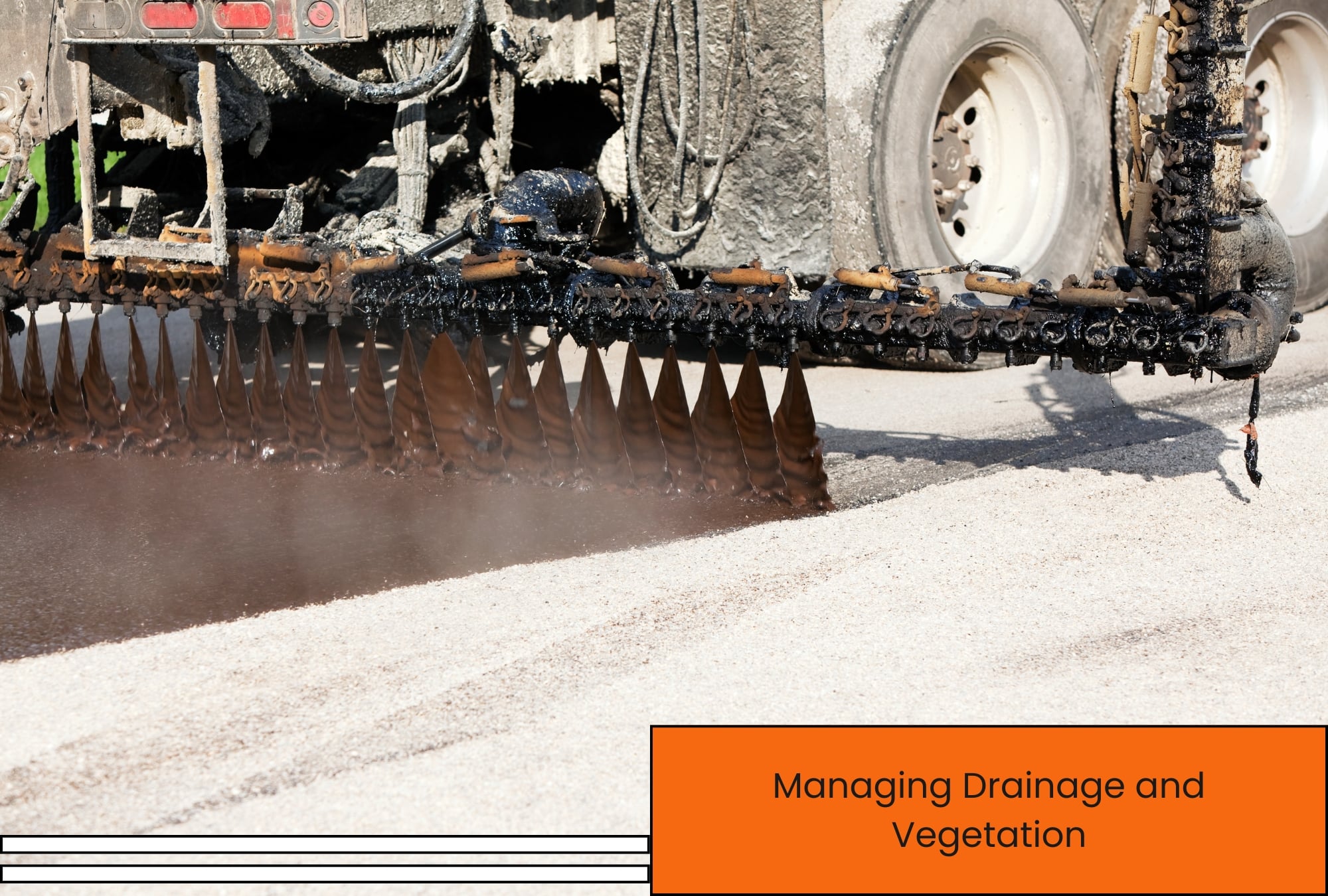
Water and vegetation are two of the main factors that shorten the life of a 2-coat seal. Standing water weakens the binder and causes early surface failure, while overgrown plants trap moisture and shade the pavement.
Keeping drains, culverts and table channels clear allows water to move freely off the road. This reduces the pressure on the surface during heavy rain and prevents cracking. Damaged drainage structures should be cleared or reshaped before they cause surface stripping or edge erosion.
Vegetation near the road edge should be trimmed back to stop grass and branches from holding moisture. A clear shoulder also improves visibility and helps the surface dry faster after rainfall.
When to Seek Professional Advice
Some maintenance tasks are simple, but surface evaluation often needs technical expertise. When cracks spread quickly, the binder loses texture, or drainage issues keep returning, a professional inspection helps determine the best approach.
Qualified contractors use testing and visual checks to measure surface wear, binder condition and traffic impact. Their assessment guides whether resealing, patching or full resurfacing is the most cost-effective solution.
Professional input is also valuable when planning long-term maintenance programs for multiple sites. Scheduling treatments based on road age, use and weather conditions helps extend the lifespan of all sealed areas.
Ongoing Care for Long-Term Performance
2-coat seals last longer when maintenance follows a structured plan. Scheduled inspections, timely crack repairs and effective drainage management protect the surface from damage and extend its service life.
Addressing small issues early reduces future costs and keeps sealed roads safe for all users. Filling cracks, clearing drains and reinforcing edges prevent surface deterioration and maintain skid resistance across changing weather conditions.
A well-planned maintenance program protects the value of every sealed road. For more details about maintenance coverage, view the service locations in Australia or contact us to arrange an inspection.
Frequently Asked Questions
What are the first signs that a 2-coat seal needs attention?
Early signs include minor colour changes, light surface cracking or reduced surface grip. These indicators show the seal is ageing and may need assessment before further wear occurs.
How does weather influence maintenance timing?
Wet seasons can speed up surface wear, while long dry periods can make the binder brittle. Scheduling maintenance during moderate weather gives better sealing results and longer performance.
What happens if maintenance is delayed?
Delaying maintenance allows small issues to expand into structural failures. This can lead to costly repairs and a shorter surface lifespan.
Are all 2-coat seals the same?
No. Materials and aggregate sizes vary depending on road type, traffic and climate. Choosing the correct combination improves durability and skid resistance.
Can 2-coat seals be upgraded later?
Yes. Additional treatments, such as resealing with finer aggregate or applying surface rejuvenators, can enhance performance once the original seal nears the end of its service life.