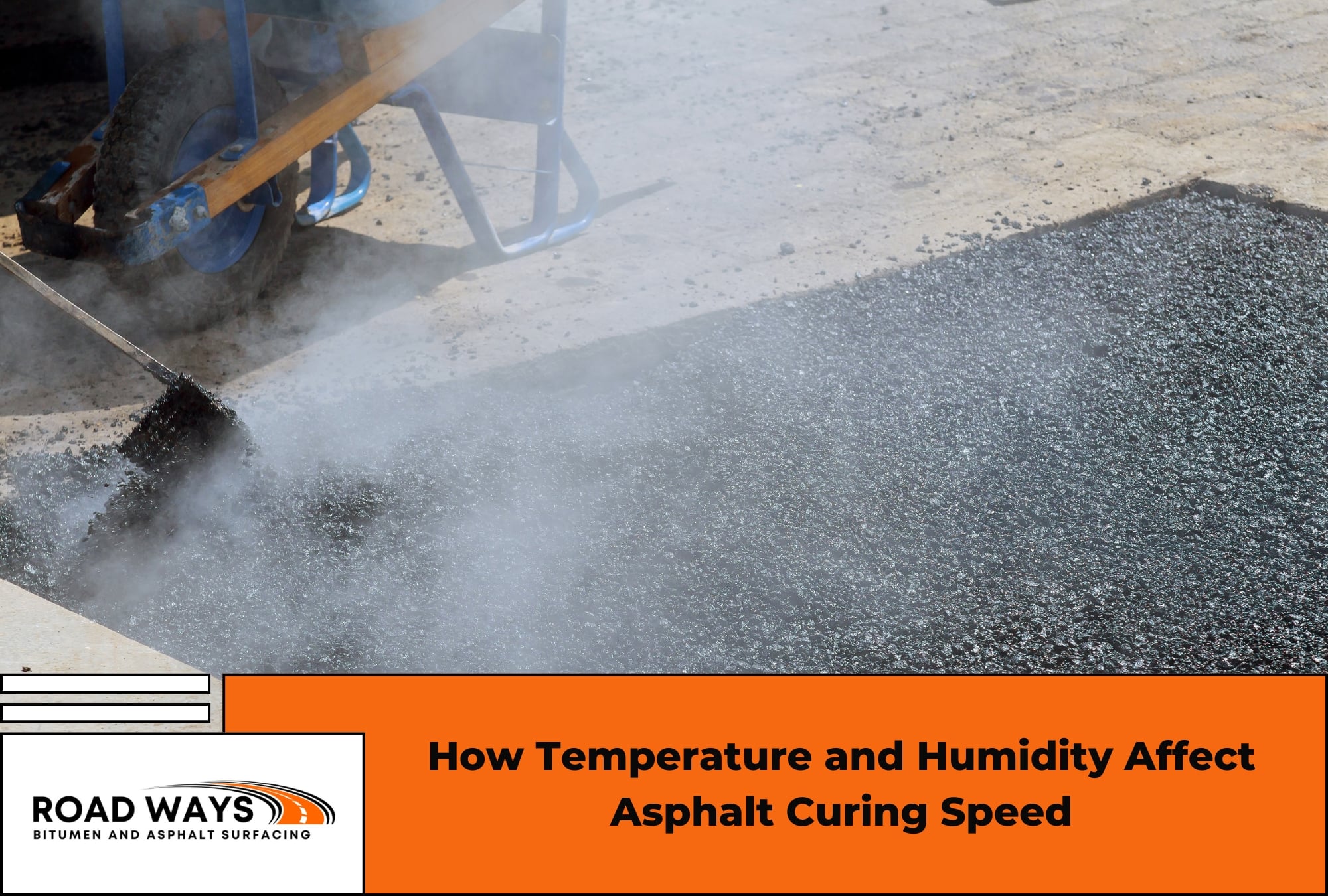
Resin asphalt is becoming increasingly popular in Australia for roads, driveways, and industrial sites that demand a tougher, longer-lasting surface. But when planning for heavy vehicle use such as trucks in freight depots, ports, or busy commercial areas the critical question is: how thick should resin asphalt be?
The short answer is:
- 20–25 mm for resin-bound surfaces in light-use areas with only occasional truck traffic.
- 40–60 mm for resin-modified asphalt where trucks are common, such as on freight routes or commercial yards.
- Up to 100 mm for extreme conditions like ports, container yards, and industrial facilities where trucks brake, turn, or idle frequently.
The right thickness always depends on traffic load and base design, both of which are just as important as the asphalt layer itself. If you’re planning a project, it’s also worth exploring the broader range of pavement and asphalt services available to ensure the surface is designed to match your site conditions and long-term performance needs.
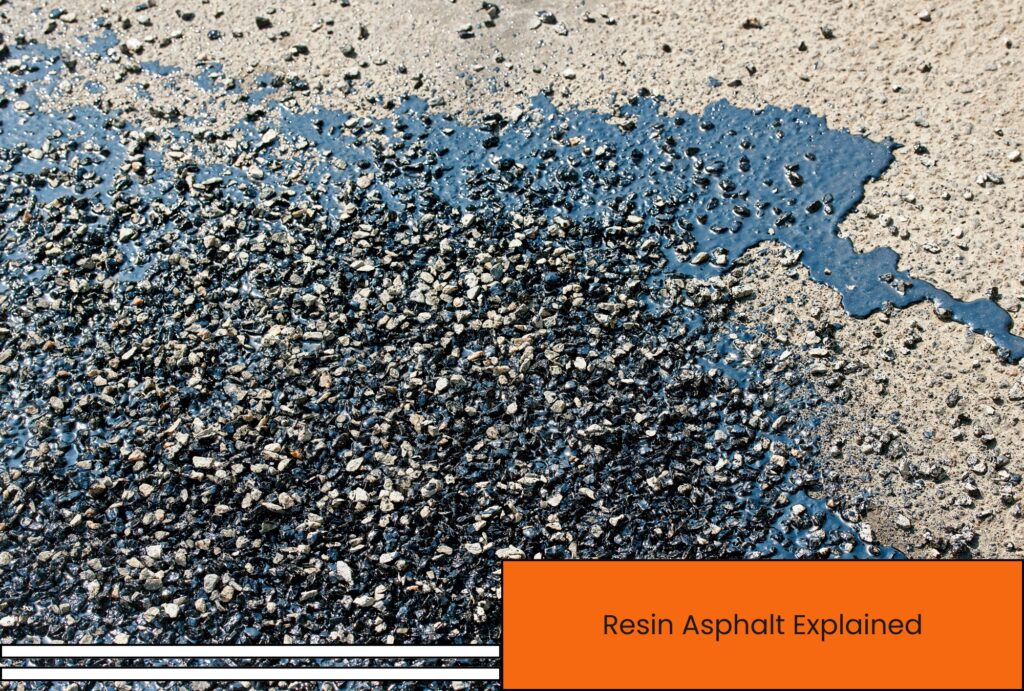
Resin Asphalt Explained
Resin asphalt combines standard asphalt with a resin binder, often epoxy or similar polymers, which gives the surface greater strength and resistance to rutting, fuel spills, and wear. It is often used in two forms:
- Resin-bound surfaces, usually decorative and permeable, used on driveways, civic areas, and access lanes.
- Resin-modified asphalt, a structural layer that can handle heavy, repeated loads, often used in freight routes and industrial yards.
The right thickness depends on which type is used and what vehicles will be driving over it.
Thickness Guidelines
For light use, such as carparks or driveways that may see the occasional truck, resin-bound asphalt is usually laid at around 20 to 25 millimetres. This is enough to hold the aggregate firmly while providing an attractive finish. The key is that it must be laid over a strong base, often concrete or compacted crushed rock, to carry the weight of larger vehicles.
In areas with regular heavy traffic, such as freight terminals, highways, or container yards, the asphalt needs to be much thicker. Resin-modified asphalt is typically laid between 40 and 60 millimetres. In very demanding locations where heavy trucks are braking, turning, or standing still for long periods, a total thickness of around 100 millimetres may be specified. This is sometimes done in two separate layers, each properly compacted.
Australian guidelines for heavy-duty pavements still apply. For example, in turning areas or intersections with high truck volumes, a minimum of 50 millimetres is expected for the surface course, with thicker designs used in port or container handling yards.
Building on the Right Base
No matter how strong the resin binder is, the surface will fail if the base is not designed properly. For heavy vehicles, the sub-base often needs to be 150 millimetres or more of compacted crushed rock, or even 200 millimetres of reinforced concrete. In industrial yards and ports, it can be thicker again, sometimes over 250 millimetres, depending on soil conditions and load requirements. Good drainage and separation from weak subgrade soils are also essential to prevent early damage.
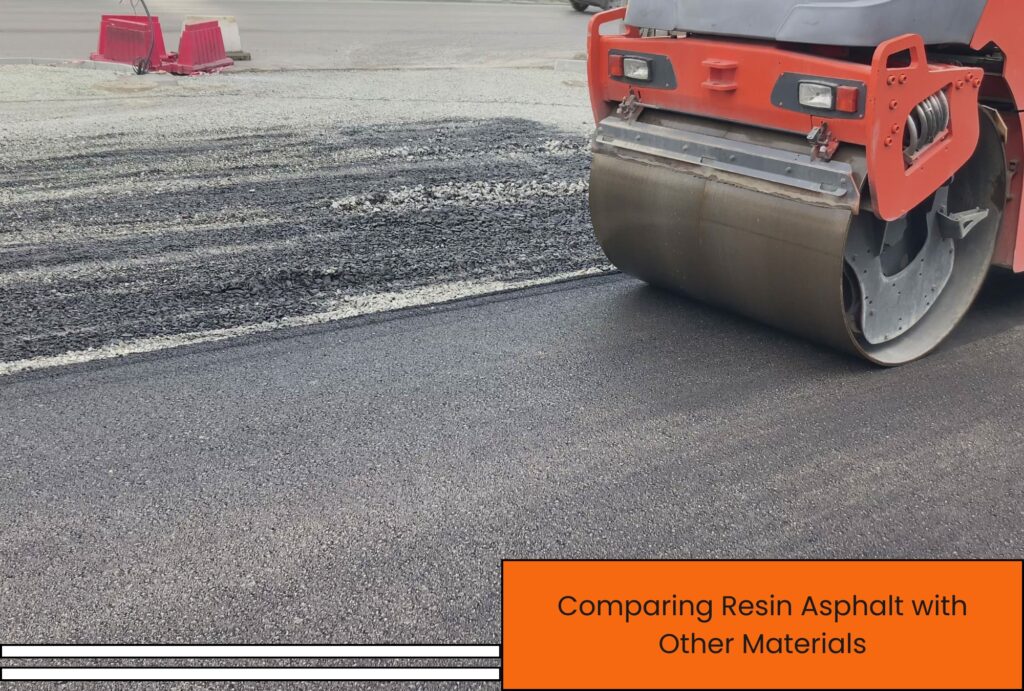
Comparing Resin Asphalt with Other Materials
Traditional asphalt is flexible and relatively easy to repair but can deform under slow, heavy wheel loads. Concrete is strong but can crack and needs joints. Resin asphalt offers a balance: it is more resistant to rutting and fuel spills than ordinary asphalt, while still providing a continuous surface without joints. The upfront cost is higher, but it often pays off in reduced maintenance and longer service life.
Key Takeaways for Australian Conditions
For heavy vehicle traffic, resin asphalt thickness should be matched to the use case:
- 20-25 mm for resin-bound surfaces on driveways and civic areas with occasional heavy vehicles.
- 40-60 mm for resin-modified asphalt on roads and freight areas with regular truck use.
- Up to 100 mm in extreme conditions such as ports and industrial yards.
The base beneath is just as important. A resin asphalt surface performs at its best when laid on a well-constructed foundation designed to Australian standards.
Ready to Plan Your Project?
If you’re looking at resin asphalt for roads, driveways, or industrial sites, it pays to get expert advice. Road Ways specialises in durable, high-performance asphalt solutions across Australia. Contact us discuss your project and get guidance on the right pavement design for heavy vehicle use.