Choosing between sealcoat and spray seal can be difficult without understanding their differences. Both are used in driveway and car park projects, but they are applied in different ways and serve different functions.
Applying the wrong method can reduce surface durability, increase maintenance costs, or cause early surface breakdown. In many cases, users expect one method to perform like the other, which leads to confusion about performance, cost, and expected results.
This article compares sealcoat and spray seal based on their materials, application process, surface finish, and suitability for different traffic conditions. It outlines where each method is commonly used and what factors influence their performance.
Whether maintaining a paved surface or sealing a new one, this information helps ensure the selected method aligns with site requirements.
What is a Sealcoat?
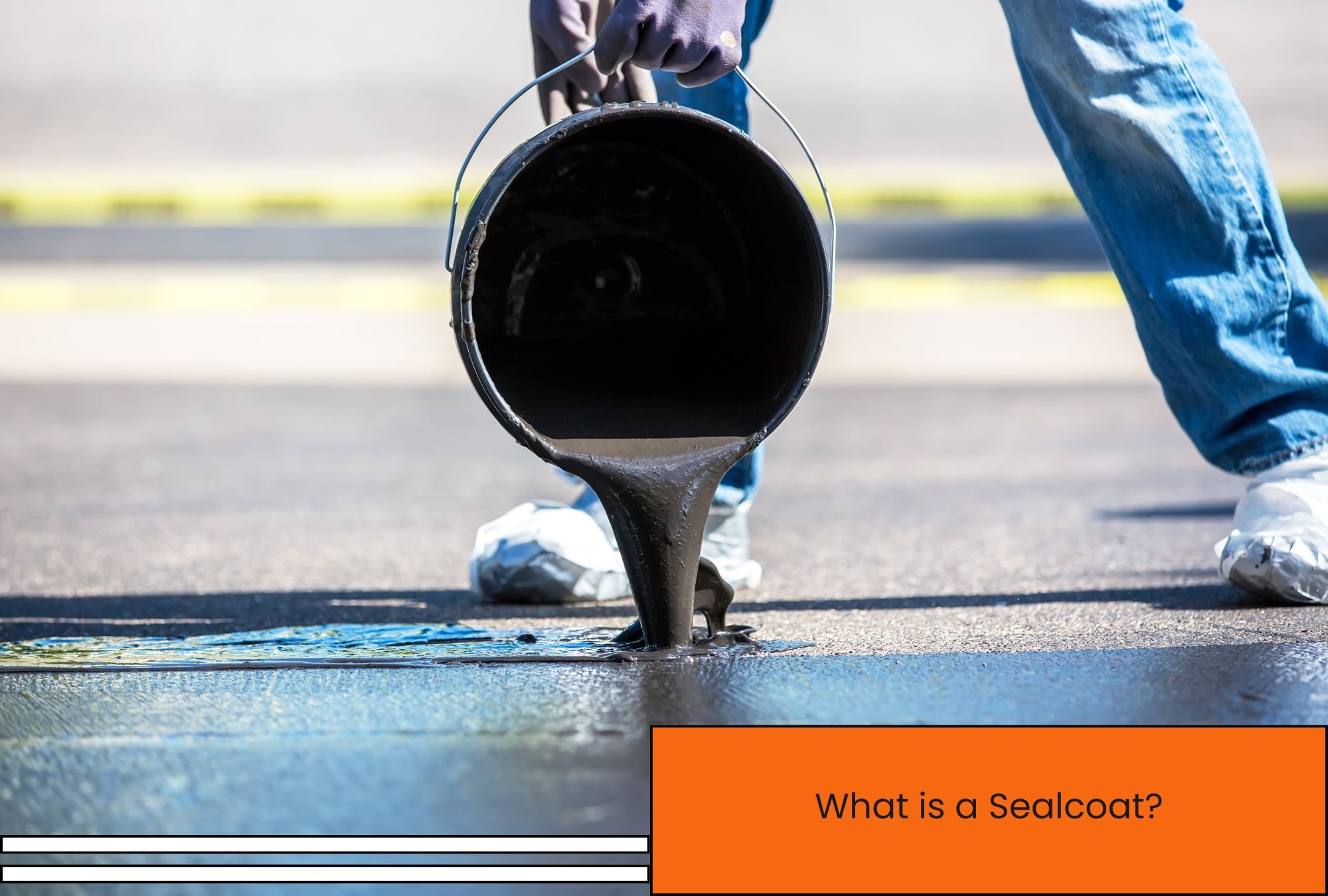
Sealcoat is a liquid surface treatment applied over existing asphalt or bitumen. It consists of bitumen emulsion blended with water, fine aggregate, and optional additives. Its main purpose is to protect the surface underneath by forming a thin waterproof barrier.
This treatment is typically used for driveways and car parks that already have a sealed surface. It does not add structural strength but helps reduce deterioration from sunlight, water, and vehicle use. Application is done using a squeegee or spray system once the surface is cleaned and dry. The curing process usually takes between 24 and 48 hours, depending on the weather.
Sealcoating is used as part of a maintenance cycle, not for building new roads or driveways. It provides a consistent black finish and helps reduce the visibility of minor cracks or surface wear. However, it must be reapplied every few years to maintain its protective function.
What is a Spray Seal?
Spray seal is a surface treatment used to create a new sealed layer over prepared road bases or unsealed driveways. It involves spraying hot bitumen onto the surface, followed by a layer of crushed stone or aggregate. A roller is then used to embed the stone into the bitumen layer.
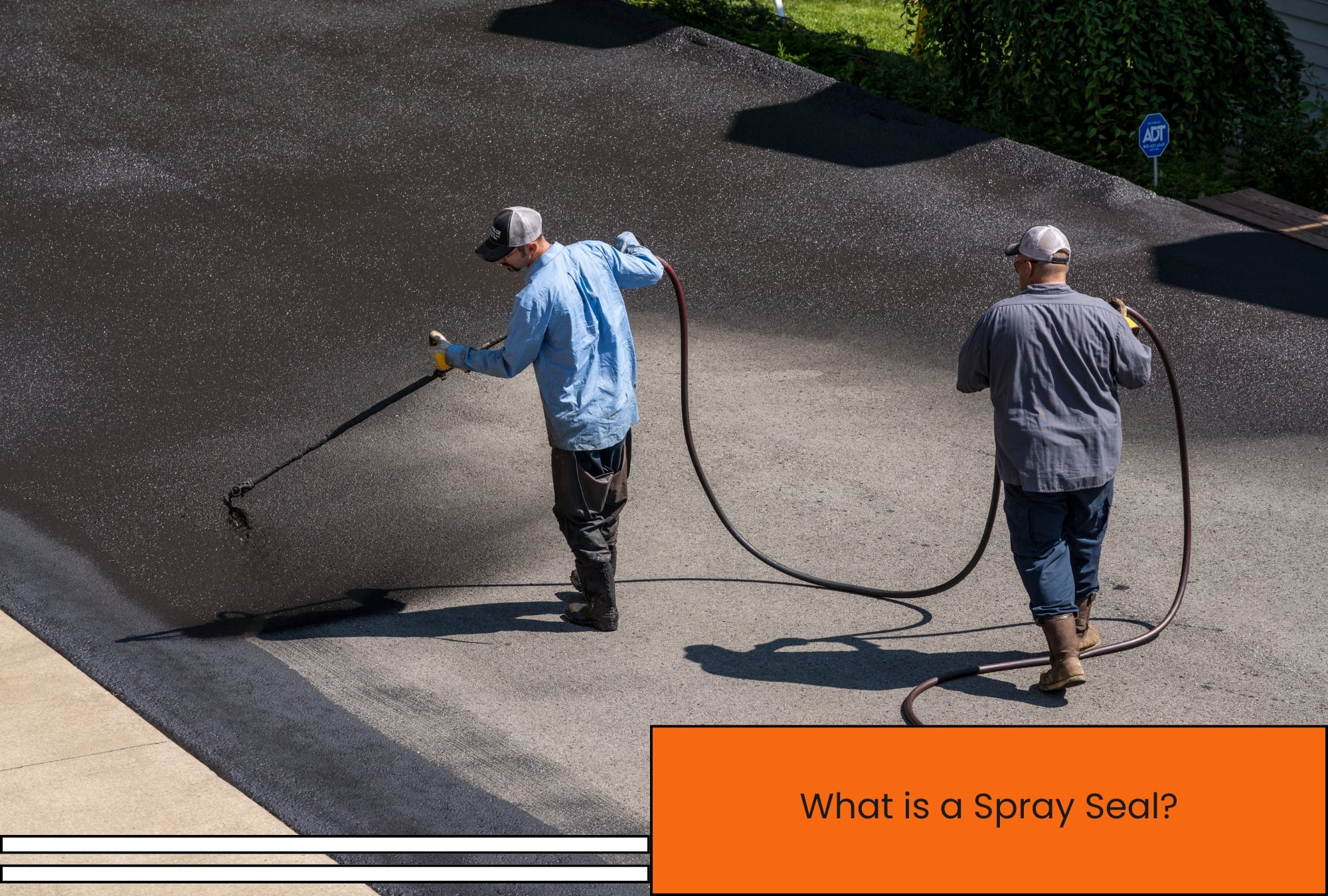
This method is often used on rural roads, long driveways, and large car parks. It is chosen for its low cost and fast application time. Spray seal does not require an existing asphalt surface, making it suitable for unsealed or gravel areas. It provides effective water resistance and a textured surface with good traction.
Spray seal is commonly applied as a single or two-coat system. The two-coat version offers improved durability for light to moderate traffic. While it does not have the smooth finish of asphalt, it can last up to 10 years if maintained. Some stone shedding may occur, especially in the early stages after installation.
Key Differences Between Sealcoat and Spray Seal
Sealcoat and spray seal serve different functions depending on the condition of the surface and the intended use. Sealcoat is a maintenance product applied over existing asphalt or bitumen. Spray seal is used to create a new sealed surface over a prepared base such as gravel or road base.
In terms of durability, spray seal generally last longer. A two-coat spray seal can provide protection for 5 to 10 years, depending on usage and environmental exposure. Sealcoat typically lasts 2 to 4 years and needs reapplication to remain effective.
Surface appearance also varies. Spray seal has a rougher texture with a natural stone finish, while sealcoat offers a smooth black surface. The former is more common in rural areas and large driveways, while the latter is preferred for residential or commercial sites requiring a neat finish.
Cost is another factor. Spray seal is cost-effective for new installations. Sealcoating is used to maintain rather than replace surfaces, making it more affordable than full resurfacing.
Choosing the Right Option
The choice between sealcoat and spray seal depends on whether you are maintaining an existing surface or building a new one. Sealcoat is designed for resurfacing existing asphalt or bitumen to extend its lifespan. Spray seal is used for new installations where no sealed surface currently exists.
Use a sealcoat if the existing surface is in fair condition and you want to protect it from wear and weather. It can improve the surface appearance and help prevent minor issues from becoming larger defects. It is commonly applied to driveways, car parks, and other areas that receive light to moderate use.
Use spray seal when sealing over gravel, road base, or other unsealed surfaces. It is suited to larger areas, rural settings, or driveways where budget and durability are priorities. A two-coat seal offers better wear resistance and is preferred for areas with regular vehicle movement.
Selecting the right method depends on the condition of the surface, expected traffic levels, and long-term maintenance requirements.
Need Help with Surface Selection?
Roadways provides both spray seal and sealcoat services across a range of driveway and car park projects. Our team can assess the condition of the site and recommend a solution that matches the intended use, traffic volume, and site conditions.
We work with residential, commercial, and rural properties and apply treatments using methods that meet Australian standards. Whether you’re sealing a new surface or maintaining an existing one, we help ensure the method used aligns with durability and safety needs.
To get professional advice or request a quote, contact us directly.