
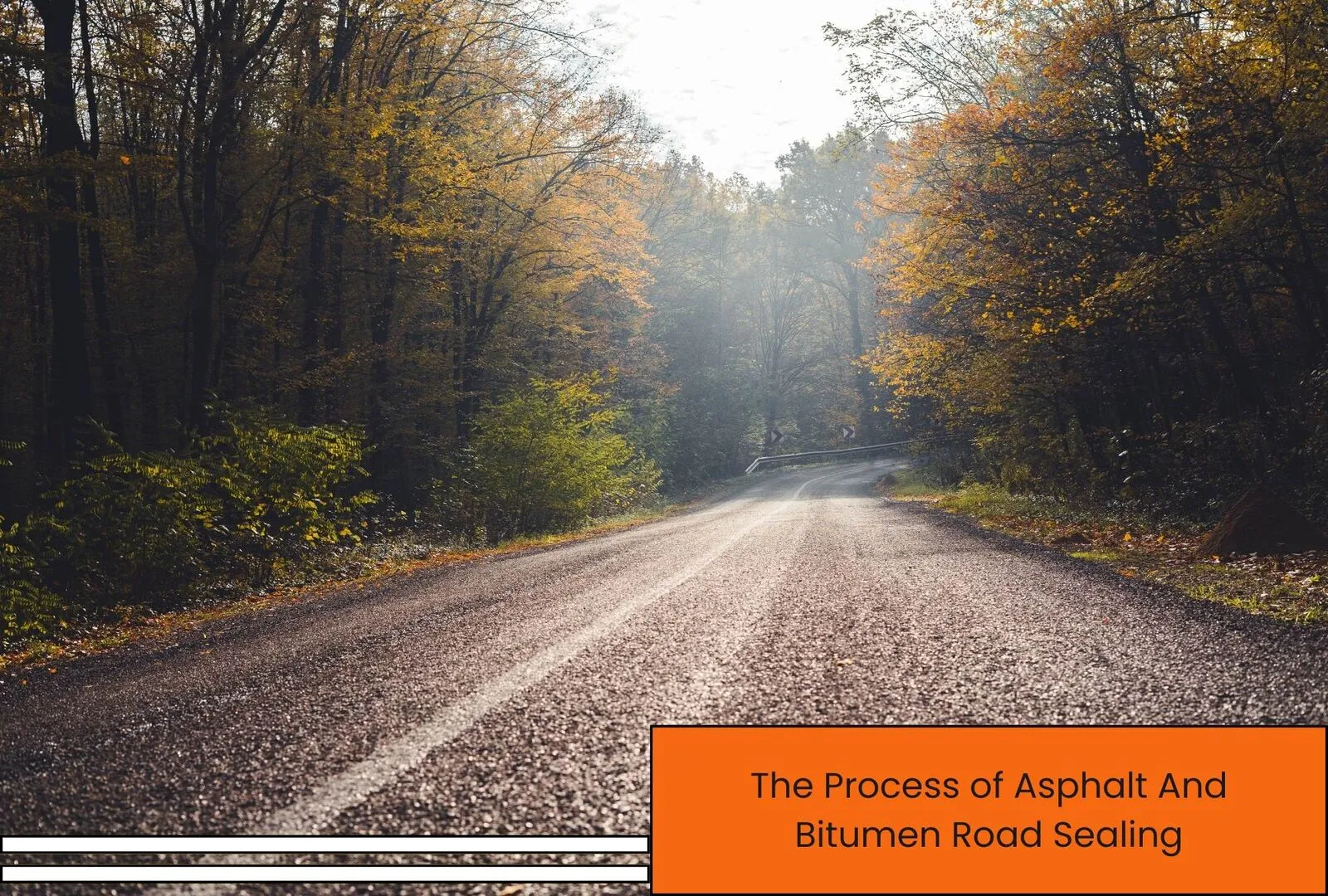
Road sealing is a resurfacing technique where a protective mixture is applied to a surface to shield it from wear and weather. It is the difference between a road or driveway that lasts and one that breaks up. Here is a plain-English primer on why it is done, what it is done with, and how the job actually goes.
Why seal a surface?
A good seal earns its keep in a few ways:
- It saves money. A sealed surface resists abrasion, so it needs fewer repairs and causes less disruption from constant patching.
- It controls dust. On unsealed gravel, sealing is the best way to stop dust, which matters on rural driveways and roads, especially through the dry months.
- It handles wet weather. Unsealed surfaces turn to mud and potholes in the rain. A sealed surface stays usable.
- It rides better. A smooth, sealed surface is more comfortable and safer than one full of potholes and cracks.
Common sealing materials
- Chip seal. Also called tar and chip, this is one of the most common treatments in Australia: a bitumen layer combined with aggregate like gravel, sand or crushed stone. Cheaper than asphalt concrete, though not as long-lasting.
- Asphalt concrete. Mineral aggregate bound with bitumen, laid for a smooth, hard-wearing surface. The go-to for roads and driveways where durability matters.
- Bitumen spray seal. Sprayed bitumen topped with aggregate, giving a tough, waterproof, dust-free finish that is economical over larger areas.
Preparing the surface
Preparation is most of the job. The existing surface or base is swept clean, because dust is the biggest enemy of adhesion, and water flushing is used if needed. Any oil or fuel spots are cut out and patched, sometimes with a spot primer. Potholes, cracks and other defects are repaired and given time to settle. On a previously sealed road, edge breaks are made good to restore the full width. Skipping preparation is the fastest way to a seal that fails early.
Sealing the surface
With the base ready, the seal goes on. The bitumen binder is applied, then aggregate is spread evenly over the top to protect the surface and lock in the binder. High-pressure rollers press the aggregate into the bitumen so it holds fast, and sometimes fine sand is worked in to help it bind. Done properly, the result is a uniform, waterproof, skid-resistant surface that protects everything underneath.
That is road sealing in a nutshell: prepare well, apply the right material, and compact it properly. The same principles apply whether it is a highway or a home driveway, and it is closely tied to our asphalt driveway work.
If you have a driveway or road that needs sealing, get in touch and we will assess it and give you an honest, written quote at no cost.