
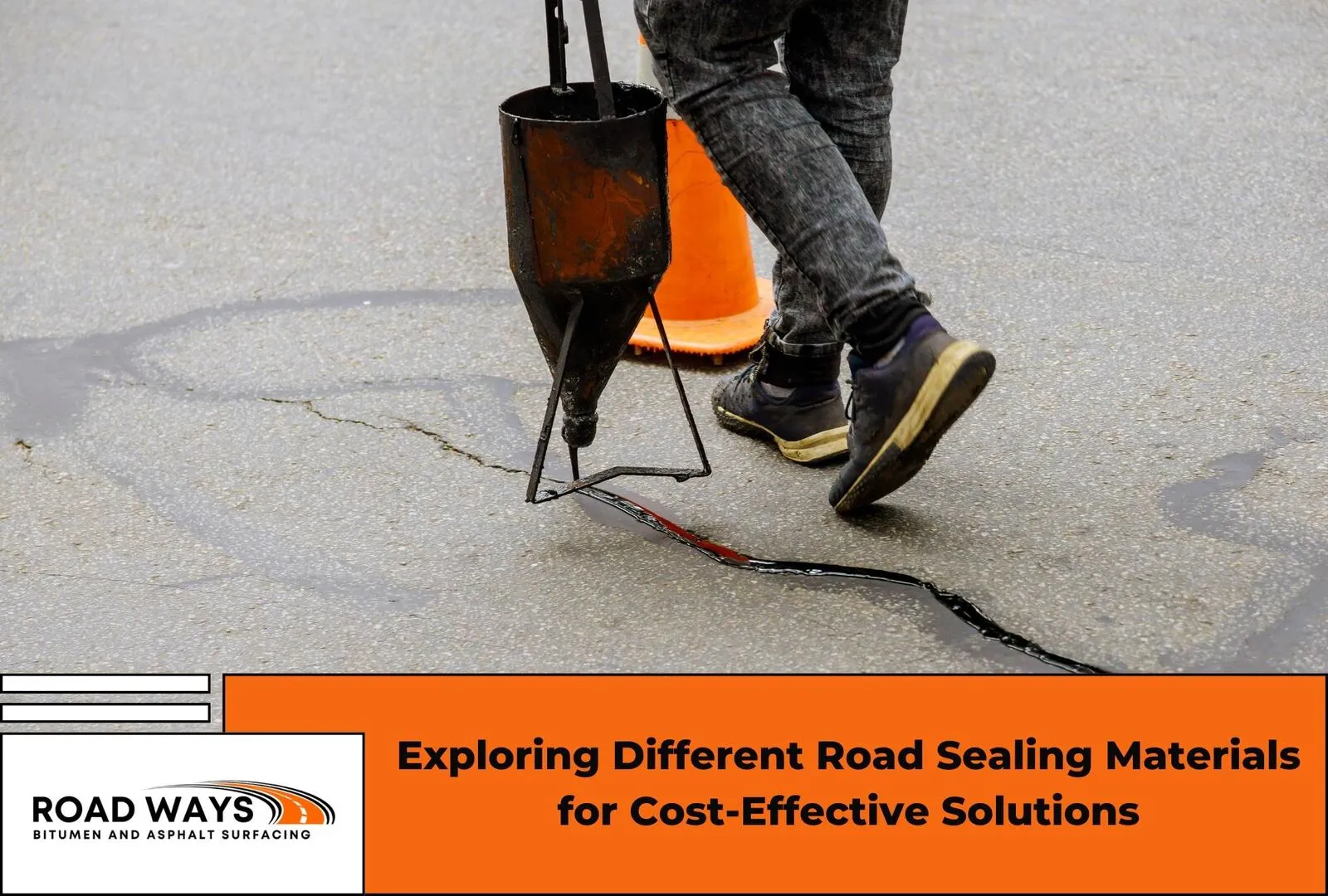
Sealing a road protects the surface from oil, water and wear, and puts off expensive repairs to the layers underneath. But not every road needs the same treatment. A busy access road and a quiet rural lane have very different needs, and matching the material to the job is where the savings are. Here is a rundown of the common options.
Chipseal
Chipseal, sometimes called tar and chip, is a layer of binder covered with aggregate such as crushed rock or gravel. It is cheaper than a full asphalt surface and quick to lay, which makes it a practical choice for lower-traffic roads. It is not as smooth or as long-lived as asphalt, but for the right road it is good value and gives a solid, grippy surface.
Bitumen seals
Bitumen is the sticky binder at the heart of most sealing. On its own, sprayed hot and covered with aggregate, it makes a spray seal. There are also maintenance treatments built around bitumen, such as enrichment coats that protect against oxidation and rejuvenation treatments that restore an ageing binder before it turns brittle. These are economical ways to extend the life of a surface that is still structurally sound.
Asphalt
Asphalt, or asphalt concrete, is aggregate, sand and bitumen mixed and laid hot at a set thickness. It gives a smoother, more durable surface than a sprayed seal, which is why it is the choice for car parks, driveways and busy roads. It costs more than a spray seal, but on a heavily used surface the extra life justifies the spend.
Crumb rubber
Crumb rubber uses recycled material from end-of-life tyres as a binder additive. It is stable, travels well, and is a greener option because it reuses tyres and reduces the need for imported polymers. It has been used as a spray seal binder in Australia for many years and suits the right applications well.
How to choose
Two questions do most of the work:
- How much traffic, and how heavy? For car parks, driveways and anywhere with vehicles turning and braking, asphalt earns its keep. For quieter roads, a spray seal or chipseal is the sensible, lower-cost call.
- What is the climate? Our heat is hard on seals, so a surface that copes with high summer temperatures matters, and resealing on a sensible cycle keeps the whole thing cheaper over time than letting it fail.
The cheapest option on the day is not always the cheapest over the life of the road. The real saving comes from choosing a material that suits the traffic and climate, then maintaining it so you reseal rather than rebuild.
Get the right advice
We seal roads, driveways and car parks across Brisbane, the Gold Coast, Ipswich, the Sunshine Coast and Toowoomba, for residential, commercial and government clients. If you want the material matched properly to your site and budget, look at our spray seal and 2 coat seal options, then tell us about the job for a written quote at no cost.