
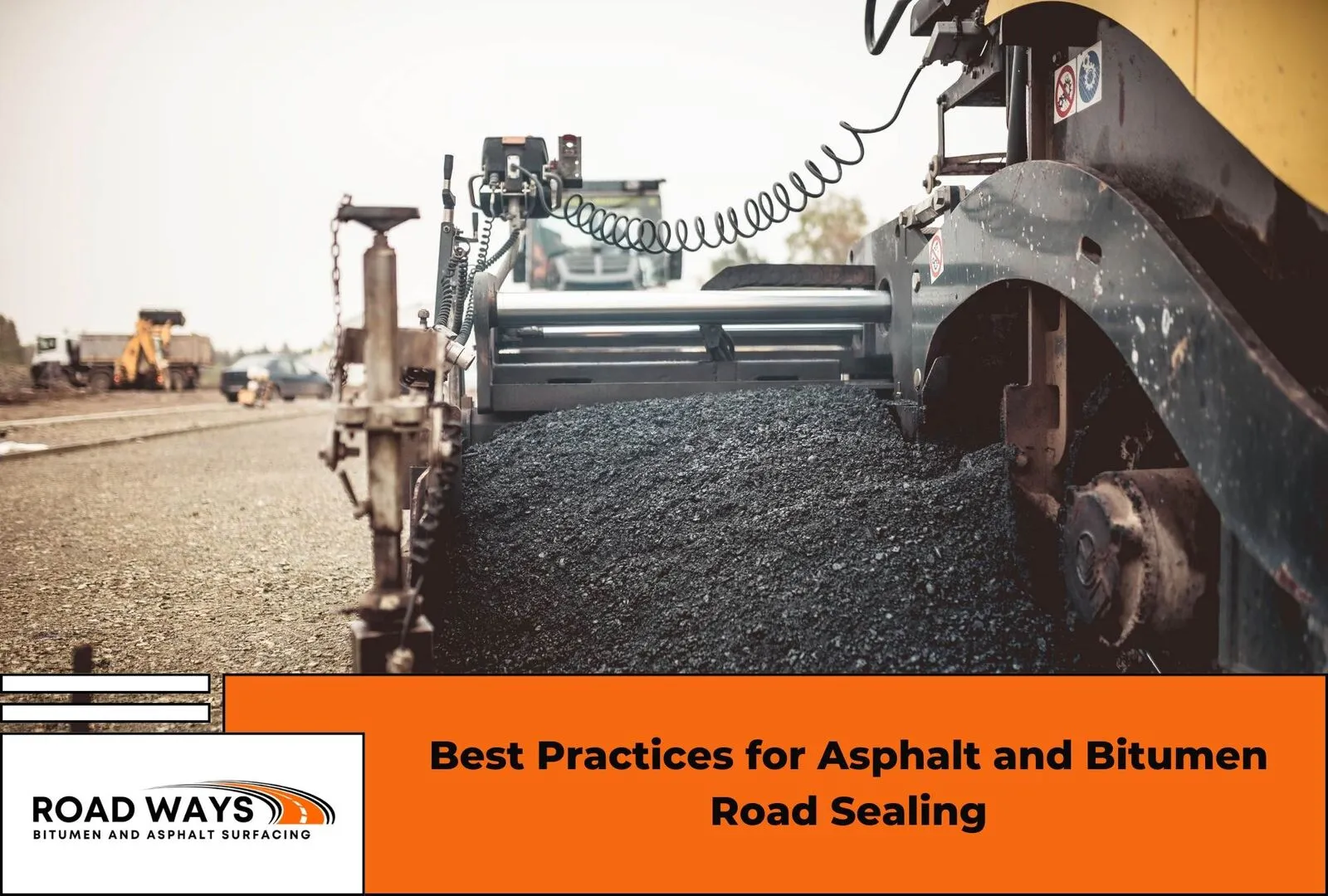
Best Practices for Asphalt and Bitumen Road Sealing

Table of Contents

Best Practices for Asphalt and Bitumen Road Sealing

Asphalt and bitumen sealing protect Australia’s road surfaces from water, heat, and heavy loads. But if the wrong method or material is used, the seal breaks down—leading to surface cracks, deformation, and costly patching.

This isn’t rare. Many roads fail before expected lifespan due to poor compaction, low-grade binders, or skipped inspections. These mistakes shorten pavement life and increase ongoing repair costs. Once water enters the surface, it weakens the structure from the base up.

This guide outlines clear steps to improve sealing—from selecting materials and applying them correctly, to maintaining sealed surfaces under real conditions. Whether for highways, access roads, or local networks, these practices extend surface life and reduce rework.

Use the Right Mix for Site Conditions

Effective sealing starts with materials suited to the site. That includes matching the aggregate size and binder type to the traffic volume and climate.

  • Aggregate selection should focus on grading that supports interlock and strength. Poorly graded stone leads to surface gaps and early failure. Materials should match the site’s load and weather profile.
  • Bitumen grade must handle the local temperature range. In hot zones, soft binders deform. In cooler areas, hard binders crack. For variable climates, polymer-modified binders improve flexibility and surface hold.
  • Additives like anti-stripping agents or stabilisers support durability by improving binder adhesion and moisture resistance.
use the right mix for site conditions

A good mix design reduces voids, keeps seals intact, and lowers the risk of bleeding, flushing, or cracking.

Apply Seals with Controlled Compaction and Timing

Sealing methods fail when temperatures, equipment, or compaction steps are skipped or rushed. The following steps prevent early surface breakdown:

  • Temperature control is key. Sealing material must be applied within a narrow temperature range. Too hot, and it cools before compaction. Too cold, and it won’t bond properly. Site teams should track temperature during delivery, laying, and rolling.
  • Compaction quality affects seal strength. Use pneumatic rollers or vibrating rollers to remove air gaps and ensure full coverage. Uneven compaction leads to weak zones that fail under load.
  • Joint quality also matters. Longitudinal and transverse joints must be clean, aligned, and sealed. Gaps at these joins are common entry points for moisture and can lead to pothole formation.

Proper layer control and joint sealing improve the seal’s strength and keep moisture out.

Check for Early Surface Movement or Moisture Ingress

Once sealing is complete, early observation helps detect failures before they worsen. Field inspections should occur within days of application, followed by scheduled surface reviews based on traffic load and exposure.

apply seals with controlled compaction and timing

Watch for:

  • Edge wear near driveways or side roads
  • Early stripping or surface stone loss
  • Discolouration in heavy traffic zones
  • Ponding near sealed joints or curves

Any of these signs may indicate seal failure or drainage issues that should be addressed before surface layers are added.

Schedule Maintenance to Limit Surface Damage

All sealed surfaces need inspection and repair over time. Early maintenance prevents costly resurfacing.

  • Crack sealing helps stop water entry. Apply sealant when cracks are narrow and before they widen or connect.
  • Spray seals can be renewed with reseal coats after inspection confirms binder loss or stone movement.
  • Drainage clearance around sealed surfaces prevents water from backing into edges and joints.

Timely surface treatments extend life without full removal. They also keep network condition consistent and reduce user disruption.

Match Sealing Methods to Local Climate

Australia’s climate zones demand different approaches. Surface failure often comes from applying the same method across zones without accounting for temperature swing, UV exposure, or rainfall.

Examples:

  • Polymer binders perform better in areas with wide daily temperature range
  • Two-coat seals offer better hold on unbound bases or soft shoulders
  • Drainage slopes must be checked during sealing to prevent ponding, especially in flood-prone areas

If these factors are ignored, seals fail regardless of material quality.

schedule maintenance to limit surface damage

Inspect Before and After Every Seal Job

Inspections should begin before any material is delivered. Site preparation errors—like uneven base or improper moisture—can’t be fixed after sealing. Post-seal checks ensure no weak zones were missed.

Checklist:

  • Confirm base moisture content and compaction
  • Ensure all joints are cut cleanly
  • Verify binder temperature at application
  • Check seal thickness across lanes
  • Inspect roller coverage and track marks

A seal applied on a poorly prepared base won’t last, even if the surface looks smooth.

Use Efficient Equipment for Accuracy

Precision sealing relies on proper gear—not just manpower. Incorrect spray bar height, inconsistent pressure, or uncalibrated tanks lead to poor coverage.

Standard sealing equipment includes:

  • Calibrated bitumen sprayers with rate controllers
  • Pneumatic or vibratory rollers
  • Bitumen temperature gauges and tank thermometers
  • Aggregate spreaders with adjustable gates

All equipment must match the job scale. Oversized gear on short roads can cause edge bleeding or double overlap. Underpowered rollers can leave air voids and reduce seal strength.

Incorporate Sustainability Without Compromising Seal Strength

Bitumen sealing can support sustainability goals when applied with the right process. Warm mix additives lower production temperature without reducing seal strength. Reclaimed asphalt can be used in non-critical sealing layers or as part of a stabilised base.

use efficient equipment for accuracy

Practices that reduce waste and energy:

  • Use of reclaimed aggregates for shoulder seal
  • Low-temperature binders for reduced fuel use
  • Emulsified seal coats for light-traffic roads
  • Optimised equipment use to reduce fuel on site

These choices support compliance with modern sustainability targets while still delivering strong, sealed roads.

Final Advice from Road Ways

Good sealing isn’t just about applying a layer of bitumen. It’s about choosing the right materials, preparing the surface properly, applying at the right temperature, and sealing joints before water gets in.

At Road Ways, we don’t follow trends—we follow performance. Our sealing work starts with site assessment, surface planning, and selecting materials based on how the road will be used—not what’s convenient.

Whether the job is a two-coat seal, hot spray, or asphalt overlay, we make sure each step delivers value to the asset owner and safety to road users. 

Need sealing that lasts under pressure? Request a quote today and we’ll help you plan the right bitumen application for your site and traffic conditions.

Table of Contents

Share this post: